
Both move your goods by air. The difference is how they are booked, handled and charged, and picking the wrong one either costs too much or takes too long.
When courier is the right call
- Small and light. Documents, samples, spare parts and parcels up to roughly 30 to 70 kg in total.
- Door to door in one price. Collection, the flight, customs and delivery are rolled into a single rate, usually with duties billed separately.
- Speed with tracking. Express services reach most business addresses worldwide in one to four working days.
When air freight wins
- Heavier or bulkier cargo. Above about 70 to 100 kg, an air freight rate per kilo is usually far cheaper than courier.
- Pallets and crates. Anything that needs a forklift belongs on an air waybill, not in a courier van.
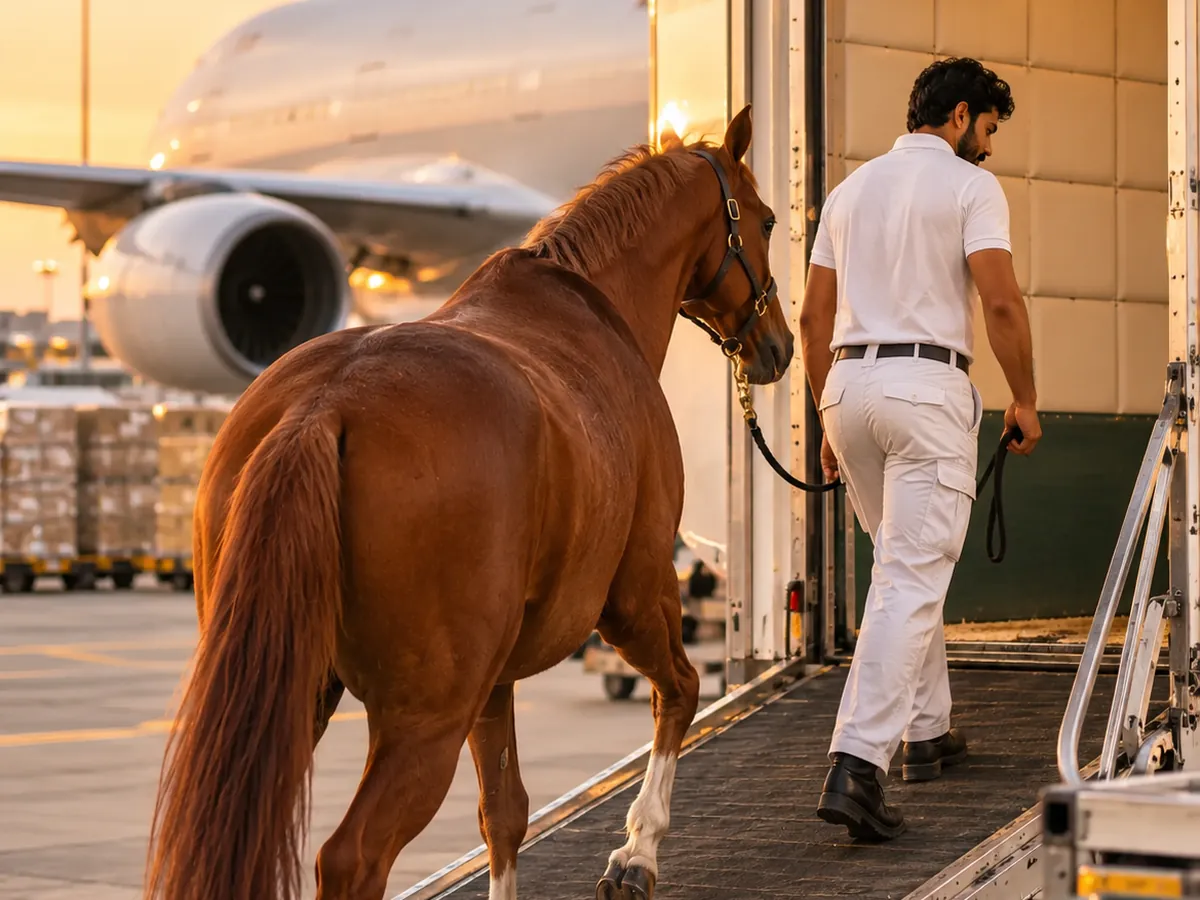
- Special handling. Dangerous goods, temperature-controlled cargo, live animals and AOG parts all move as air freight with the right declarations.
Watch the chargeable weight
Both modes charge on the greater of actual weight and volume weight. A light but bulky box can cost far more than its scale weight suggests, so measure it, including the packaging, before you ask for a price.
Paperwork for both
A clear commercial invoice with an honest description, value and HS code saves days at customs, whichever mode you use. Documents and personal effects need their own declarations.
Not sure which way to send it? Tell us the size, weight and destination and we will quote the faster or the cheaper option, or both.